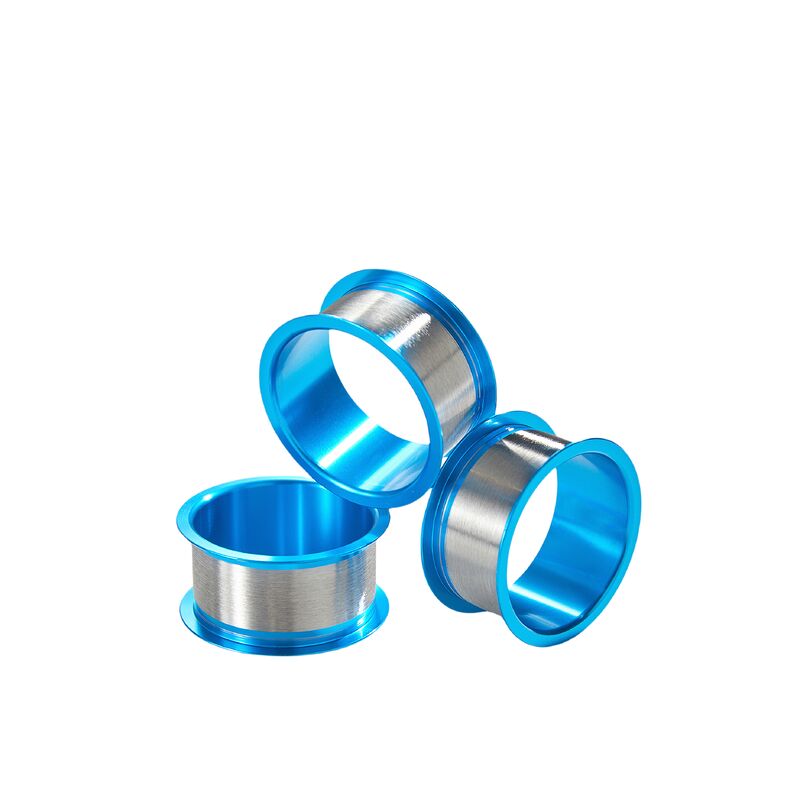
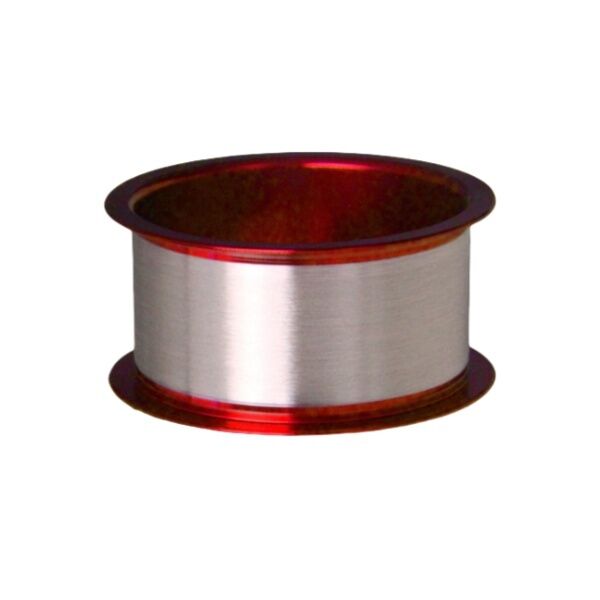
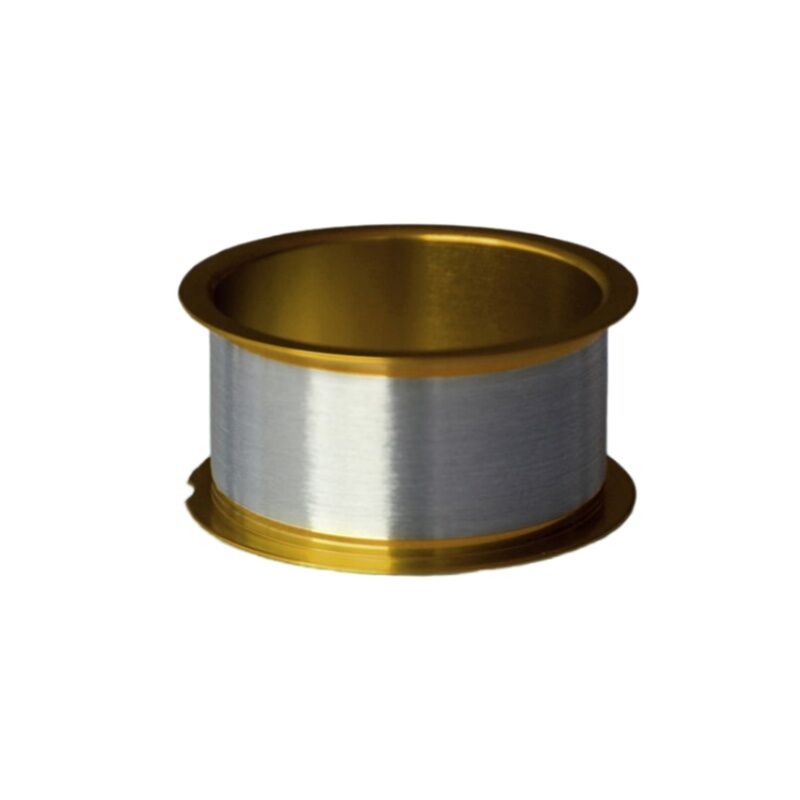
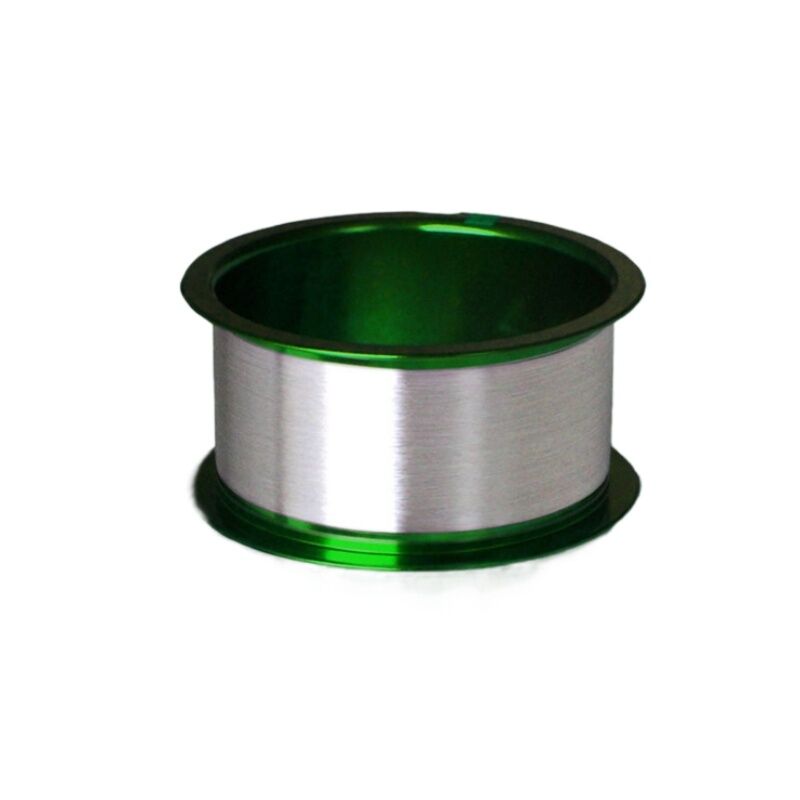
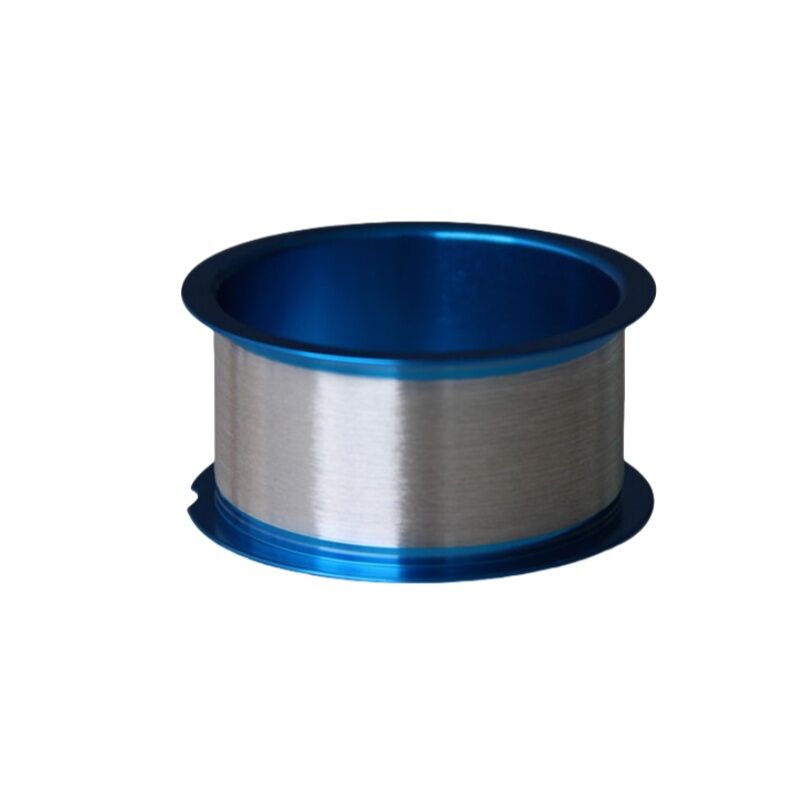
Lieu d'origine:
Chine
Nom de marque:
WINNER
Certification:
ISO9100
Numéro de modèle:
PW-12
As cost pressures in the semiconductor industry continue to increase and advanced packaging requirements become more demanding, material selection is undergoing a structural shift.
Pure gold wire is gradually losing its mainstream position due to its high and volatile raw material cost.
Bare copper wire presents higher oxidation risks, which can negatively impact bonding stability and long-term reliability.
Under these market conditions, Palladium Coated Copper (PCC) wire has emerged as the optimal balance between cost efficiency and reliability performance.
Today, leading global semiconductor packaging companies widely adopt Pd-coated copper wire as their primary bonding material, especially in applications requiring high reliability, fine pitch capability, and stable intermetallic performance.
The ultra-thin palladium coating forms a dense and stable protective layer on the copper surface, effectively reducing oxidation risk during storage, handling, and high-temperature bonding processes. This significantly improves long-term reliability compared to bare copper wire.
With a high-purity copper core, Pd-coated copper wire maintains outstanding electrical conductivity, ensuring efficient signal transmission and low electrical resistance in semiconductor interconnections.
Palladium coated copper wire provides a highly competitive replacement for gold bonding wire by significantly reducing material costs while maintaining comparable bonding performance and reliability.
Compared to traditional gold wire, Pd-coated copper wire offers higher tensile strength and better loop stability, making it suitable for fine-pitch, high-density, and low-loop-height packaging designs.
The palladium layer helps regulate intermetallic compound formation at the bonding interface, reducing excessive IMC growth and minimizing the risk of brittle fracture under thermal stress.
Pd-coated copper wire demonstrates excellent performance in high-temperature and high-humidity environments (e.g., 85°C / 85% RH testing), making it ideal for automotive electronics, power devices, and high-reliability applications.
The material is compatible with standard automatic wire bonding systems, enabling seamless integration into existing semiconductor packaging lines without major process modifications.
Envoyez-votre enquête directement nous